
Why loneliness can happen even when people are surrounded by others
Loneliness in assisted living is not always caused by being physically alone. A resident may live near many people and still feel disconnected, especially after moving away from a familiar home, neighborhood, routine, or social circle.
A move often involves several losses at once:
- Familiar rooms, belongings, and daily habits
- Regular contact with neighbors, friends, or relatives
- Independence in transportation, cooking, shopping, or household tasks
- A sense of privacy and control
- Confidence in meeting new people
Loneliness may also appear months after move-in rather than immediately. The first weeks can be busy with introductions and adjustments. Later, when the routine becomes quieter, a resident may begin to notice missing relationships more strongly.
Feeling lonely does not mean a person is ungrateful, unfriendly, or unable to adapt. It is a common human response to change and deserves practical attention.
How can a resident tell the difference between loneliness and depression?
Loneliness is a feeling of disconnection or lack of meaningful companionship. Depression is a medical condition that can affect mood, sleep, appetite, energy, concentration, and interest in daily life. The two can occur together, but they are not the same.
A resident may be experiencing loneliness when they:
- Want company but are unsure how to join activities
- Miss a particular person or familiar place
- Feel better after a pleasant conversation or visit
- Enjoy some activities but do not have enough regular connection
Possible warning signs of depression include persistent sadness, loss of interest in nearly everything, major sleep or appetite changes, unusual fatigue, feelings of worthlessness, or comments about death or not wanting to live. These symptoms should be shared promptly with a physician, nurse, social worker, or trusted family member.
Any statement about self-harm or not wanting to live should be treated as urgent. The resident should not be left alone, and immediate emergency assistance should be requested.
What daily habits can reduce loneliness?
Regular, predictable contact is usually more helpful than waiting to feel social. A simple routine can create repeated opportunities for connection without making every interaction feel like a major event.
Useful habits include:
- Eating one meal each day in a shared dining area, if comfortable
- Sitting in a common room for a short period instead of remaining in a private room
- Greeting the same staff members or residents by name
- Attending one activity consistently for several weeks
- Calling a family member or friend at a set time
- Taking part in a group connected to a personal interest
- Writing letters, sharing photographs, or working on a family history project
- Spending time in a supervised outdoor area when weather permits
Consistency matters because relationships often develop through repeated, low-pressure contact. A resident does not need to become highly outgoing. Seeing familiar faces can be a meaningful first step.
Seasonal conditions can affect these routines in Crafton, PA. Cold temperatures, snow, rain, and shorter winter daylight may make outdoor visits and independent outings less practical. During those periods, indoor walking, window visits, shared reading, crafts, music, and scheduled phone or video conversations can help maintain contact.
How can someone make friends after moving into assisted living?
Friendship often begins with small conversations rather than immediate closeness. Residents may find it easier to start with a shared observation or a practical question.
Examples include:
- “Have you attended this activity before?”
- “Do you usually sit here for lunch?”
- “What kind of music do you enjoy?”
- “Would you like company during the next game?”
- “I am still learning the routine. Is there an activity you recommend?”
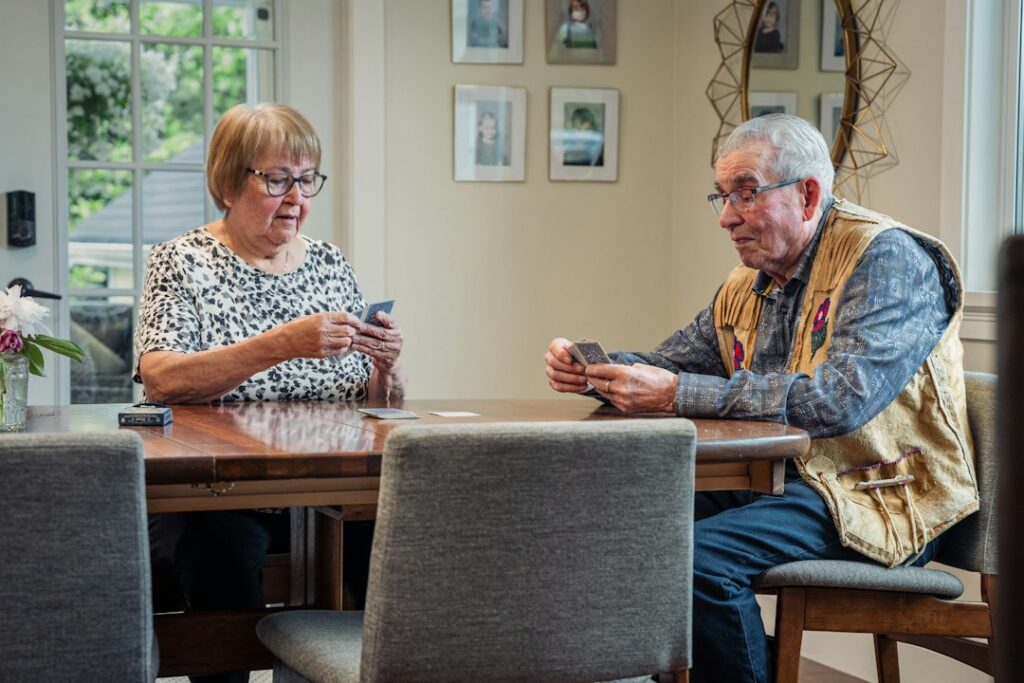
Choosing activities with a clear structure can reduce pressure. Card games, discussion groups, exercise classes, gardening, religious observances, art projects, and music programs give people something to do while conversation develops naturally.
It can also help to look for residents who share a life experience, hobby, sense of humor, faith tradition, military background, profession, or interest in family history. Similarity is not required for friendship, but a common topic can make an introduction easier.
Not every interaction will lead to a close relationship. That is normal. Several brief, positive conversations may be more realistic and beneficial than expecting one immediate best friend.
What if a resident has hearing, vision, memory, or mobility limitations?
Physical and cognitive changes can make social situations tiring or confusing. A resident may avoid activities not because of a lack of interest, but because the room is noisy, the lighting is poor, the pace is too fast, or the activity is difficult to reach.
Helpful adjustments may include:
- Choosing quieter seating
- Using hearing aids, glasses, or other prescribed devices consistently
- Asking for written schedules in large print
- Selecting activities with shorter sessions
- Requesting assistance with transportation within the residence
- Joining smaller groups instead of crowded events
- Using familiar music, photographs, or conversation topics
- Allowing extra time to respond during conversations

Memory loss does not eliminate the need for companionship. A person may benefit from short, repeated visits, familiar faces, and simple activities that do not depend on remembering detailed instructions.
Family members and caregivers should avoid treating a resident as incapable of social connection. Asking what feels comfortable and offering choices preserves dignity and control.
How can family and friends provide meaningful support?
Frequent contact is helpful, but the quality and predictability of contact matter as much as the number of visits. A resident may appreciate a short, dependable phone call more than an occasional visit that is difficult to anticipate.
Visitors can make time together more engaging by:
- Bringing a few photographs and asking open-ended questions
- Looking through familiar music, recipes, or books
- Taking a slow walk indoors or outdoors when conditions allow
- Sharing a simple activity such as folding cards, arranging flowers, or completing a puzzle
- Inviting the resident to talk about current interests, not only past memories
- Including the resident in ordinary family decisions and conversations
Visits should not become tests of memory or energy. If a resident becomes tired, confused, or irritable, a shorter visit may be more successful. Phone and video calls can help, though technology may require setup and patience.
What should staff know about ongoing isolation?
A resident who repeatedly stays alone, skips meals, stops attending activities, or shows a sudden change in mood may need additional support. Staff should be told about patterns rather than only isolated incidents.
Useful information includes:
- When the withdrawal began
- Whether it followed an illness, fall, hospitalization, or bereavement
- Which activities the resident previously enjoyed
- Whether hearing, vision, pain, sleep, or medication issues may be involved
- What types of visits or conversations seem comforting
- Whether the resident expresses fear, sadness, hopelessness, or confusion
A care team may be able to adjust activity choices, seating, transportation within the residence, communication methods, or daily routines. Medical concerns should be evaluated when loneliness appears alongside pain, fatigue, cognitive changes, depression symptoms, or reduced appetite.
How can residents keep a sense of purpose?
Connection is easier to build when a person feels useful and recognized. Purpose does not have to involve a formal responsibility. It may come from helping another resident, caring for a plant, sharing a skill, organizing photographs, participating in a discussion, or contributing ideas about activities.
A resident might also create a personal weekly plan with a few attainable goals:
- One social meal
- One group activity
- One phone call
- One personal-interest project
- One period of quiet time outdoors or near a bright window, when appropriate
The goal is not to fill every hour. A balanced routine includes companionship, rest, privacy, and activities that reflect the resident’s own preferences. Loneliness deserves attention, but the right response is personal: steady contact, respectful choices, and opportunities for meaningful participation.
