
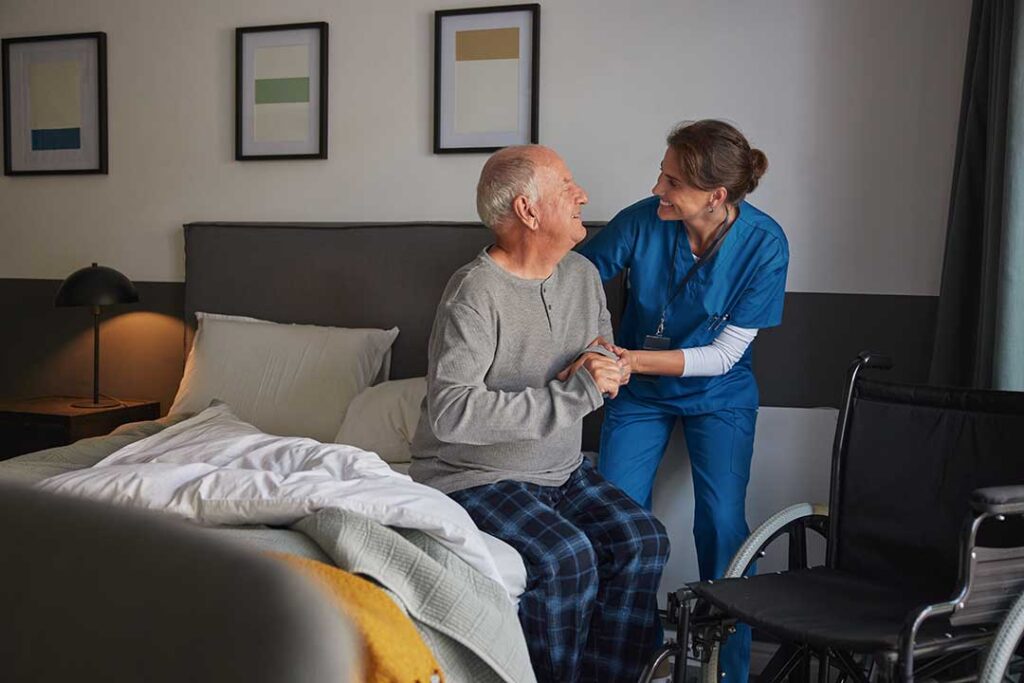
Assisted living safety depends on more than emergency equipment or locked doors. Residents are protected through daily routines that reduce falls, identify illness early, maintain clean shared spaces, and ensure staff respond consistently when a health concern appears.
In Crafton, PA, families may be comparing assisted living with personal care homes or other residential settings. Pennsylvania treats assisted living residences and personal care homes as residential facilities that provide supervision, assistance, and personal care. They must be licensed by the Pennsylvania Department of Human Services and follow state requirements designed to protect residents’ health, safety, and well-being. ([pa.gov](https://www.pa.gov/agencies/dhs/resources/aging-physical-disabilities/personal-care-homes/personal-care-home-faq?utm_source=openai))
What safety protocols should an assisted living residence have?
A safe residence should have written procedures for preventing injuries, responding to emergencies, managing medications, reporting changes in health, and controlling infections. Staff should be trained to follow those procedures rather than relying only on individual judgment.
Common safety systems include:
- Emergency call systems or another reliable way for residents to request help
- Fall-risk assessments and individualized mobility plans
- Safe assistance with bathing, toileting, transfers, and walking
- Medication storage, administration, and documentation procedures
- Fire evacuation plans and routine emergency drills
- Screening and reporting procedures for signs of illness
- Plans for severe weather, power outages, water problems, and other disruptions
- Documentation of accidents, injuries, illnesses, and significant changes in condition
Pennsylvania assisted living rules address safety management, hazard prevention, universal precautions, signs and symptoms of infection, food handling, sanitation, and support for residents with mobility needs. These subjects are also part of required direct-care training. ([pa.gov](https://www.pa.gov/content/dam/copapwp-pagov/en/dhs/documents/providers/documents/human_services_licensing/assistedlivingresidencelicensing/c_125650.pdf?utm_source=openai))
Residents and families can reasonably ask how staff respond if someone falls, develops a fever, becomes confused, refuses food or fluids, or cannot safely complete a routine activity. The answer should describe a clear process for immediate assessment, notification, documentation, and follow-up.
How does infection prevention work in assisted living?
Infection prevention uses several layers of protection at the same time. Hand hygiene, cleaning, vaccination, symptom monitoring, ventilation, safe food practices, and prompt separation of symptomatic residents all contribute to reducing transmission.
Hand hygiene is especially important before and after personal care, meals, medication assistance, toileting, and contact with shared equipment. Soap and water should be available, and alcohol-based hand sanitizer containing at least 60 percent alcohol can be placed near entrances, elevators, shared equipment, and other high-touch areas when handwashing is not immediately available. ([cdc.gov](https://www.cdc.gov/respiratory-viruses/prevention/hygiene.html?utm_source=openai))
Staff should also use appropriate personal protective equipment, such as gloves, gowns, eye protection, or masks, when the task or suspected illness requires it. Gloves do not replace handwashing. Hands should be cleaned after gloves are removed because contamination can occur during removal.
What happens if a resident develops respiratory symptoms?
A resident with a new cough, fever, sore throat, unusual fatigue, shortness of breath, or other respiratory symptoms should be evaluated promptly. The residence may temporarily separate the person from others, increase masking or protective equipment, improve ventilation, and arrange testing or medical evaluation according to the illness and current public health guidance.
The goal is not to isolate every resident unnecessarily. The goal is to reduce avoidable exposure while preserving dignity, communication, and access to needed care.
Current CDC long-term-care guidance emphasizes vaccination, testing, timely treatment, access to personal protective equipment, hand hygiene, ventilation, communication with residents and visitors, and delaying non-urgent visits when visitors have respiratory symptoms. ([cdc.gov](https://cdc.gov/long-term-care-facilities/hcp/respiratory-virus-toolkit/index.html?utm_source=openai))
During periods of higher respiratory virus activity, residents may notice additional precautions such as:
- Mask recommendations in shared areas
- More frequent symptom checks
- Changes to group activities or dining arrangements
- Increased cleaning of high-touch surfaces
- Limits on visits for people who are ill
- Rapid testing when symptoms or an exposure occur
These steps may be especially relevant during colder months, when people spend more time indoors and respiratory illnesses can spread more easily through shared spaces.
Which cleaning practices matter most?
Routine cleaning should focus on surfaces and objects touched frequently by multiple people. Examples include handrails, elevator buttons, door handles, dining tables, bathroom fixtures, activity equipment, mobility aids, and shared electronic devices.
Cleaning and disinfection are not identical. Cleaning removes dirt and some germs. Disinfection uses an appropriate product and contact time to destroy many remaining germs. Staff should follow product directions, use required protective equipment, and avoid mixing chemicals.
Shared bathrooms require particular attention. Surfaces should be cleaned on a schedule and after contamination. Spills involving vomit, diarrhea, blood, or other body fluids require prompt handling under the residence’s exposure-control procedures. Residents should not be expected to clean these materials themselves.
Food safety is another part of infection prevention. Staff should maintain proper hand hygiene, prevent cross-contamination, store food at safe temperatures, and pay attention to residents who have swallowing difficulties or special dietary needs.
How can falls and infections be connected?
A fall may be the first visible sign of an infection or another health problem. Illness can cause weakness, dehydration, dizziness, confusion, or a sudden change in walking ability. For that reason, a fall assessment should consider more than visible injuries.
Staff may need to check for:

- New confusion or unusual sleepiness
- Fever or chills
- Reduced food or fluid intake
- Pain, weakness, or difficulty breathing
- Changes in urination or bowel habits
- Recent medication changes
- A new need for assistance with walking or transfers
A resident who falls without an obvious explanation should receive appropriate follow-up. Families should be told about significant changes, especially when the resident takes blood-thinning medication, has osteoporosis, or has a history of repeated falls.
What should residents and families ask about before move-in?
Practical questions can reveal whether safety procedures are active and understood:
- How are residents monitored for changes in health?
- What happens after a fall or medication error?
- How are families notified about significant illness?
- Where are hand sanitizer and handwashing stations located?
- How does the residence handle respiratory outbreaks?
- Are visitors asked to postpone visits when sick?
- How are shared bathrooms and activity areas cleaned?
- What is the emergency plan for severe weather or a power outage?
- How are vaccinations, testing, and treatment decisions handled?
- Who coordinates with a resident’s physician or other healthcare providers?
A residence should be able to explain its procedures in plain language. Families may also review Pennsylvania’s licensing information for assisted living residences and personal care homes, including regulatory guides and complaint resources. ([pa.gov](https://www.pa.gov/agencies/dhs/resources/licensing/pch-alr-licensing/pch-alr-compliance-guides?utm_source=openai))
What should a resident do if a safety concern is ignored?
A resident or family member should first report the concern to the appropriate supervisor and document the date, location, people involved, and response received. Examples include repeated failure to assist with transfers, missing medication documentation, unsafe food handling, lack of protective equipment, or failure to respond to symptoms.
If the concern involves immediate danger, call emergency services. For licensing or care-quality concerns that are not resolved internally, Pennsylvania provides complaint and regulatory contacts for personal care homes and assisted living residences. ([pa.gov](https://www.pa.gov/agencies/health/facilities?utm_source=openai))
Good infection prevention and safety practices should be visible in ordinary routines: clean hands before care, clear walkways, timely communication, careful documentation, safe food handling, and respectful responses to illness. Those everyday actions provide the foundation for a safer residential setting for older adults and people who need assistance with daily living.
